The Best Puzzle Games and Grid-Based Games to Play Online
Puzzle games come in all shapes and sizes, but some of the most satisfying ones share one thing in common: structure. A clear board. Defined movement. Limited space. Smart decisions. That is why grid-based games have such lasting appeal. Whether you are drawing routes, moving blocks, surrounding territory, or planning several moves ahead, grid games turn simple layouts into deep strategy.
For players who enjoy logic, pattern recognition, spatial reasoning, and careful planning, grid-based puzzle games offer some of the best experiences in gaming. And while many players know famous names like The Witness or Monument Valley, there is a much broader world of puzzle and strategy games built around boards, tiles, and movement.
What is a grid-based game?
A grid-based game is any game built around movement, placement, or interaction on a structured board of squares, hexagons, lines, or connected cells. Some are literal square-tile puzzle games. Others use hex grids, line intersections, or map nodes that behave like a grid in practice. The appeal is the same: the layout creates rules, and the rules create strategy.
That structure is what makes these games feel so clean and readable. Every tile matters. Every move matters. And often, one small mistake can change the entire outcome.
Why puzzle players love grid-based games
The best grid-based games are easy to understand at first glance, but difficult to master. They reward:
- planning ahead
- reading space carefully
- recognizing patterns
- working within constraints
- finding elegant solutions
That makes them perfect for players who like games that feel thoughtful rather than chaotic. In many of the best examples, the challenge does not come from speed. It comes from clarity, efficiency, and seeing possibilities before they disappear.
Some of the best puzzle and grid-based games
Sokoban
If you are talking about great grid-based puzzle design, Sokoban belongs near the top of the list. The core idea is simple: push boxes through a warehouse and place them correctly. But because boxes cannot be pulled, only pushed, the real challenge is avoiding dead ends and irreversible mistakes. That clean, spatial logic is exactly why Sokoban became such an important puzzle template.
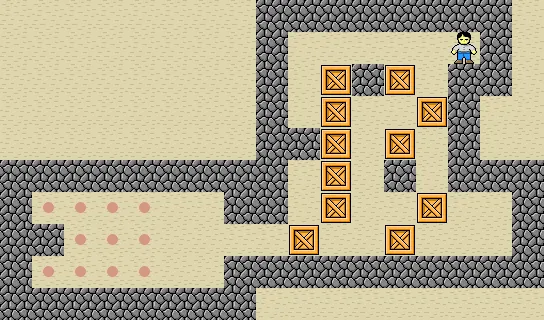
The puzzles in Sokoban require the player to push boxes to designated spots in the game world.
Baba Is You
Baba Is You takes the grid format and does something brilliantly unusual with it. The rules of the game appear as movable objects in the play space, so solving a puzzle often means changing the rules themselves. That makes it one of the smartest and most original modern puzzle games built on tile-based logic.
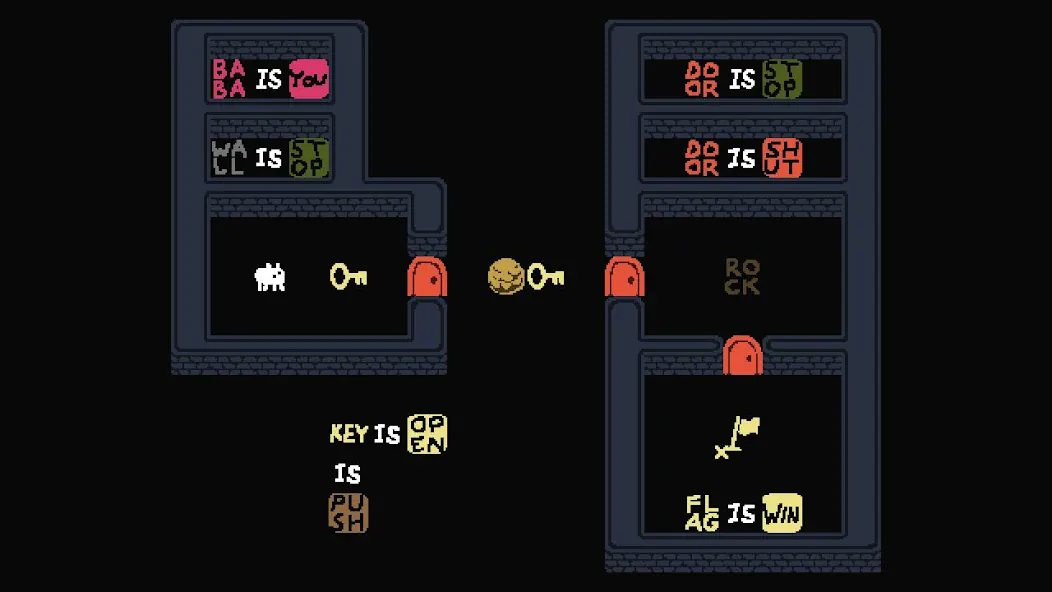
A tricky Baba Is You puzzle level where shifting word blocks changes the rules, doors, keys, and win conditions.
The Witness
The Witness is not a traditional tile puzzler, but it is absolutely one of the best games for players who love structured logic. The game is built around exploring an island and solving hundreds of puzzles, many of them line-based and grid-like in how they teach pattern recognition, observation, and inference. PlayStation describes it as an open-world puzzle game with more than 500 puzzles.
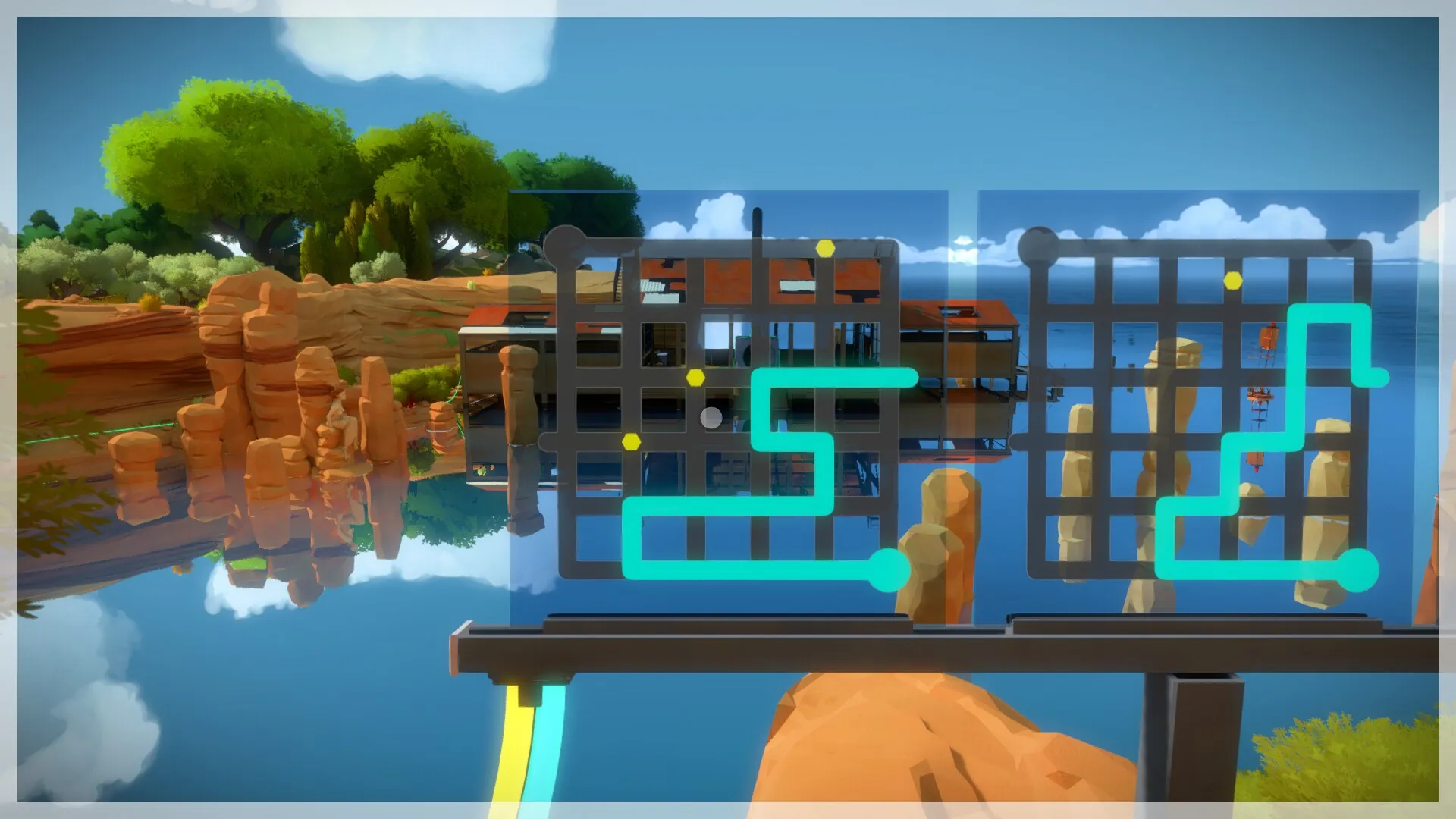
A serene The Witness panel puzzle where you trace a path through mirrored grid mazes against a bright island backdrop.
Monument Valley
The Monument Valley series blends visual illusion, impossible architecture, and elegant path-making. It is more meditative and artful than many logic-first puzzle games, but it still captures the deep satisfaction of manipulating a structured space to reveal a route forward. Ustwo describes the series as award-winning puzzle games built around manipulating monuments and evolving paths.
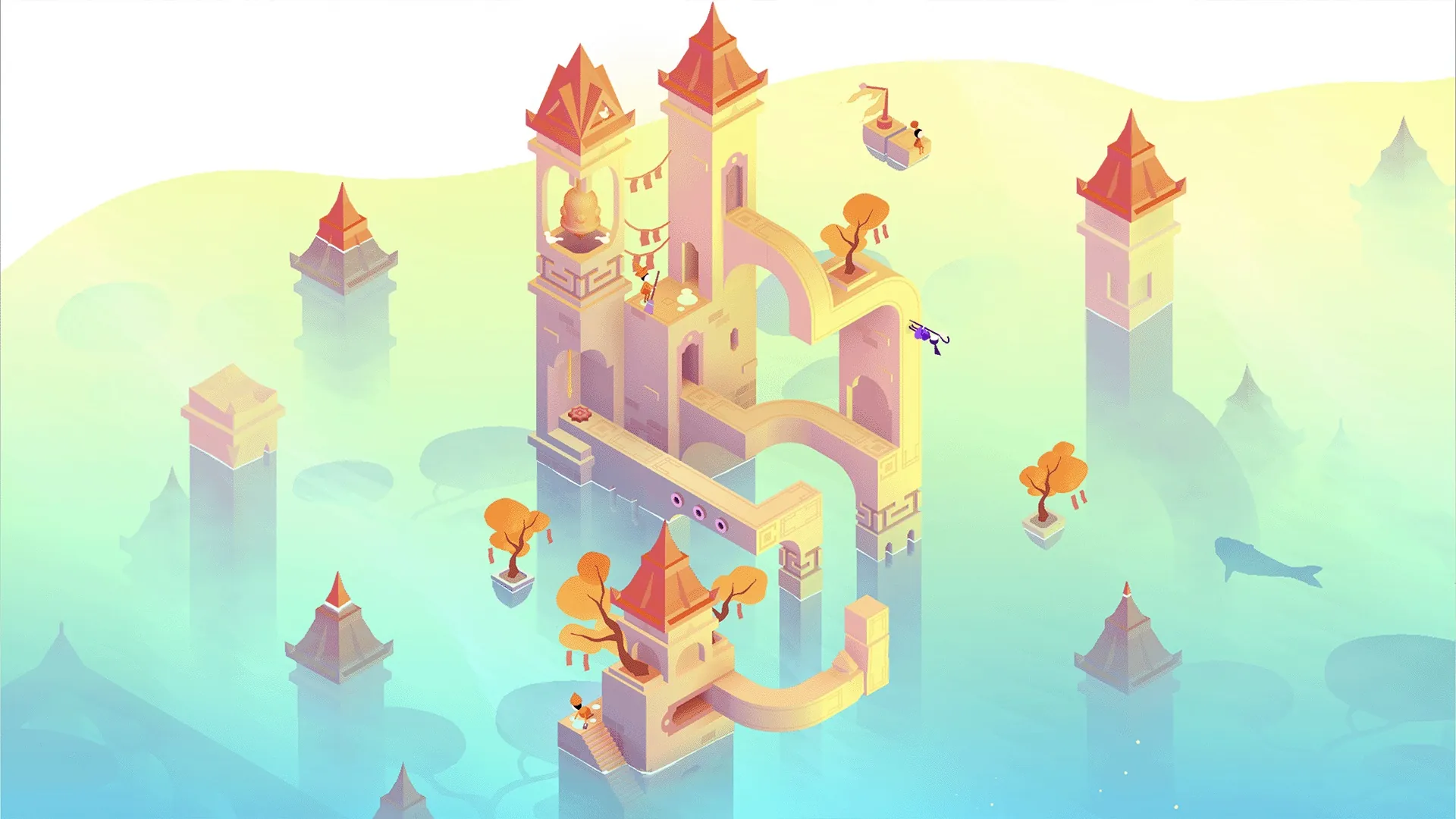
A dreamy Monument Valley scene of pastel towers, floating paths, and impossible architecture suspended above the clouds.
Mini Metro
Mini Metro is a great example of a grid-adjacent strategy puzzle. You are not moving pieces across a classic board, but you are constantly drawing and redrawing efficient connections across a structured map. The official game description emphasizes designing a subway map for a growing city using limited resources, which makes it feel like a puzzle of flow, space, and optimization.
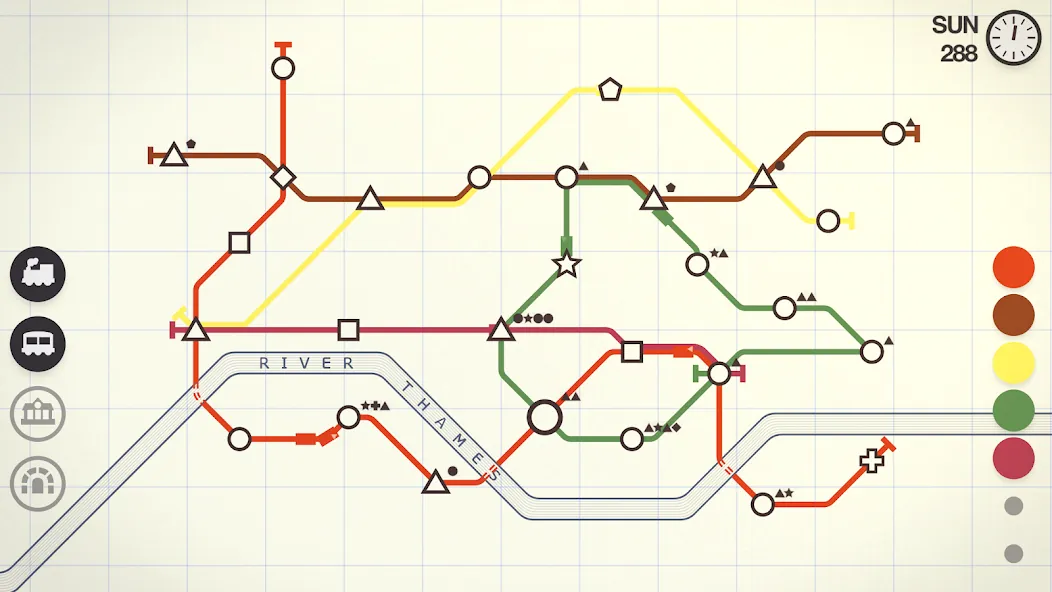
A clean Mini Metro map showing colorful train lines, river crossings, and a growing transit network in motion.
Hexcells
If you like logic deduction games, Hexcells deserves a place on any best-of list. Steam describes it as an ambient logic puzzle game, and it is often compared to a more refined take on Minesweeper. The hexagonal layout gives it a different rhythm from square-grid puzzlers, but the satisfaction is very similar: read the clues correctly, eliminate uncertainty, and solve with clean logic.
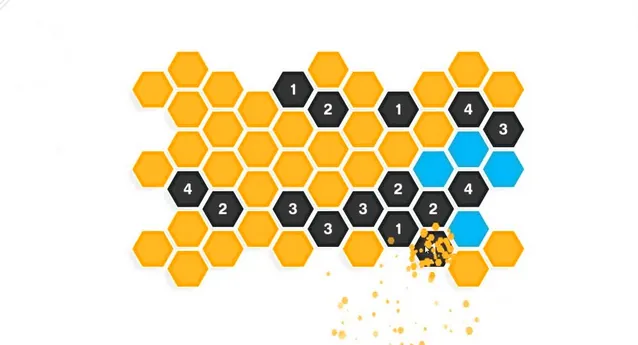
A minimalist Hexcells puzzle board where numbered hexagons guide each precise logical move.
Into the Breach
Into the Breach sits on the border between puzzle and strategy, but that is exactly why so many grid-game fans love it. Each battle unfolds on a small map where movement, attack order, and positioning are everything. Subset Games describes it as a turn-based strategy game in which each run presents a new randomly generated challenge. In practice, it often feels like a series of compact tactical puzzles.
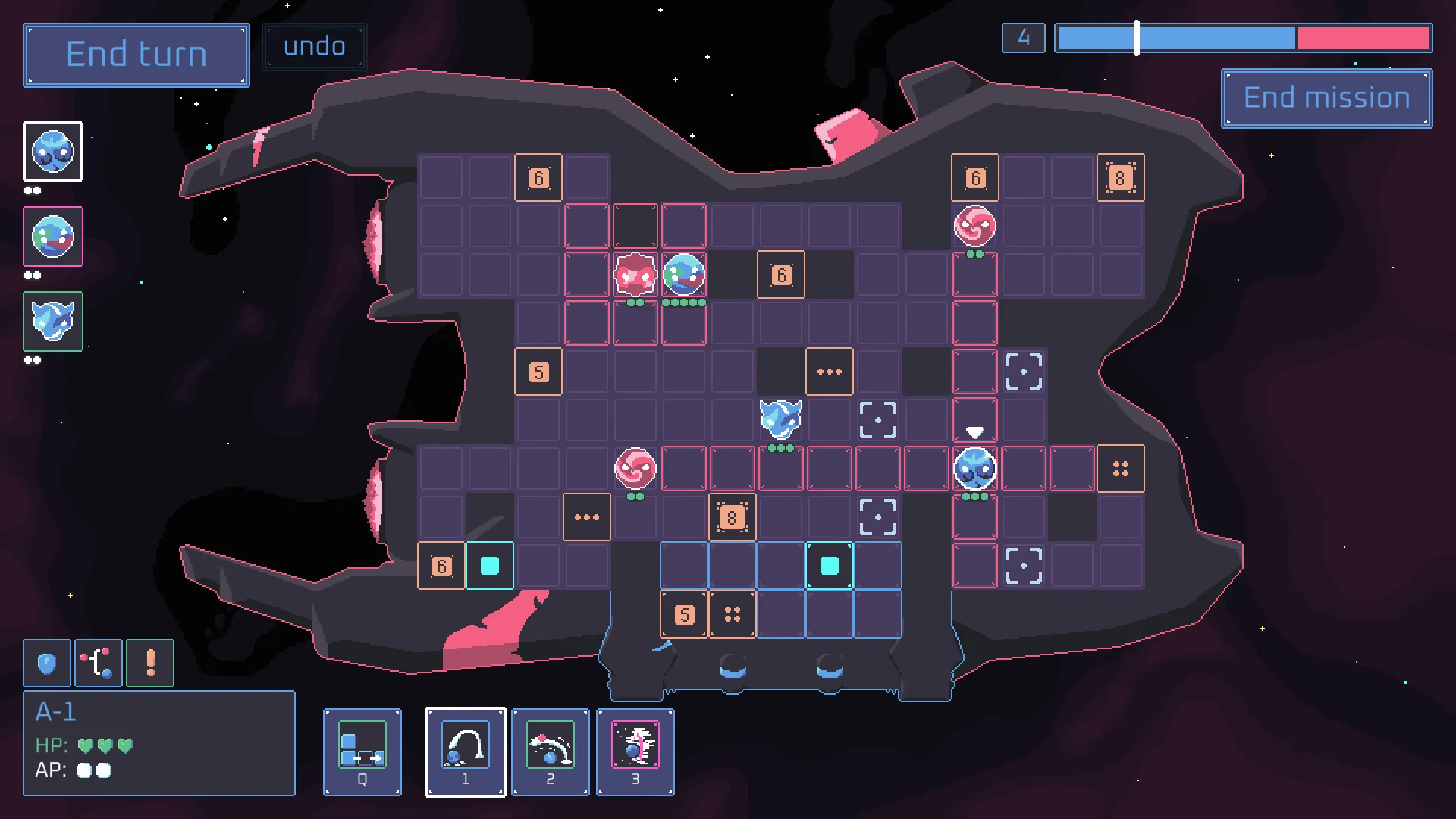
An intense Into the Breach battle grid where every mech move and enemy position matters.
Go
Although it is much older than modern video games, Go is one of the great grid-based strategy games of all time. Britannica describes it as a two-player game where players place stones on a board and try to control territory by surrounding areas and capturing pieces. That territorial logic still shows up in many modern enclosure and board-control games.
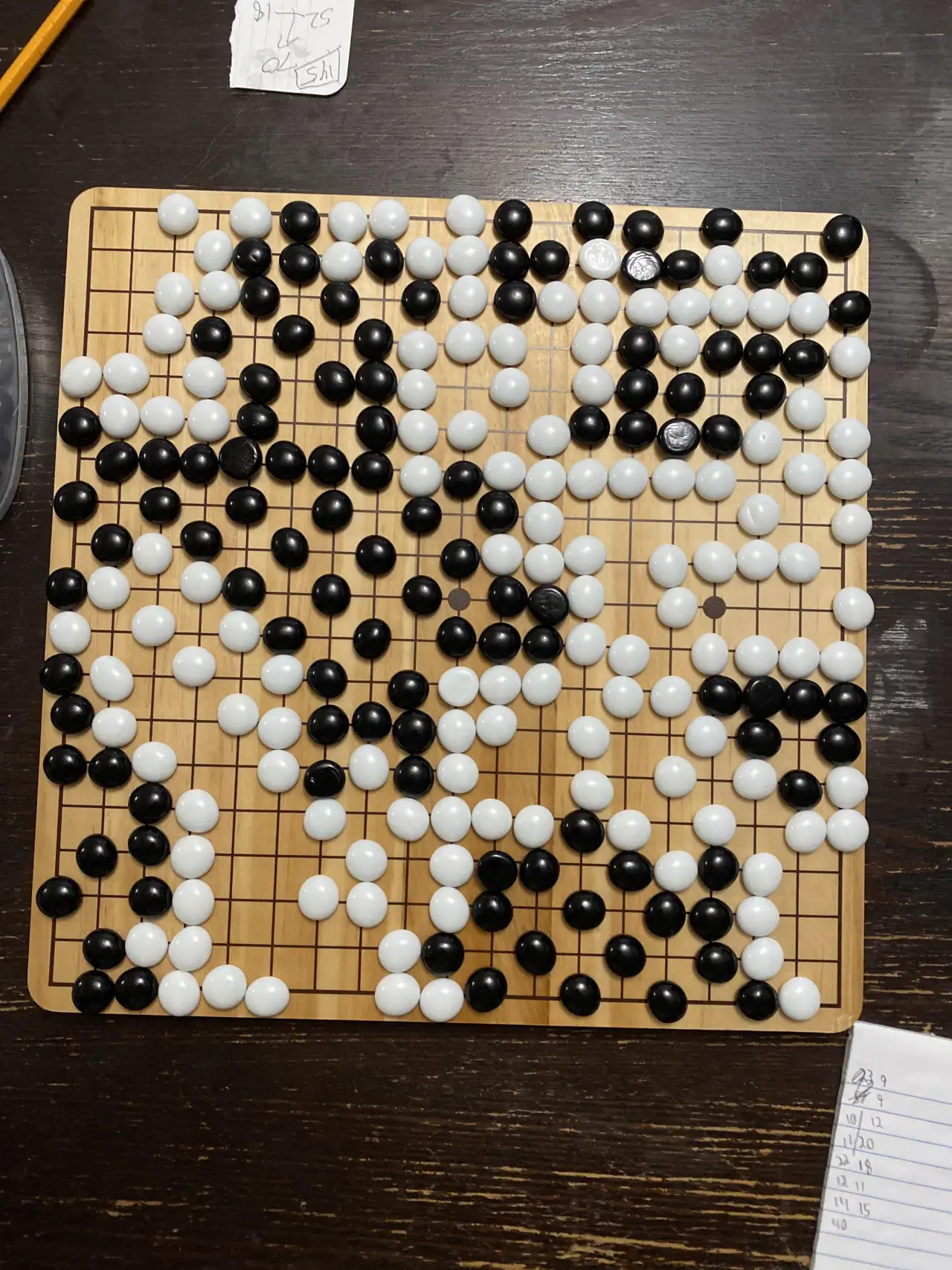
A mid-game Go board packed with black and white stones competing for territory across the grid.
What makes a grid-based game great?
The best ones usually do at least one of three things well.
First, they create meaningful limitations. You do not have endless freedom; you have just enough freedom to make good or bad decisions matter.
Second, they make space readable. A strong grid game lets you understand the state of play quickly, even if mastery takes a long time.
Third, they generate depth from simple rules. Sokoban is only pushing boxes. Go is only placing stones. Mini Metro is only drawing lines. But those small systems produce huge strategic variety.
Where Enclose Horse fits into this genre
If you are thinking about Enclose Horse, it belongs very naturally in this wider family of grid-based puzzle games.
Like the best games in the category, it uses:
- constrained movement
- spatial planning
- board awareness
- efficient use of limited actions
What makes it distinctive is that it turns enclosure-building into the challenge. Instead of simply reaching an exit or matching a pattern, you are trying to build an enclosure, predict movement, and keep the horse from wandering off before you close the gaps. That puts it in conversation with other smart spatial puzzle games, while still giving it a clear identity of its own.
Why this genre has such lasting appeal
Grid-based games continue to work because they feel fair. The board is visible. The information is usually there. The challenge is not hidden in noise. It is in the player's ability to read the system better, think one step further, and spot the move that changes everything.
That is why this genre remains so replayable. A good grid puzzle is not just about finishing. It is about understanding.
Final thoughts
The best puzzle games and grid-based games do not need giant worlds or complicated mechanics to feel rewarding. Often, all they need is a clean board, a few rules, and one excellent idea.
From Sokoban and Go to Baba Is You, Mini Metro, and The Witness, the genre proves again and again that structure can be incredibly fun. And for players who enjoy strategy, routes, enclosure, logic, and movement, there is plenty of room for newer games like Enclose Horse to stand alongside the classics.